
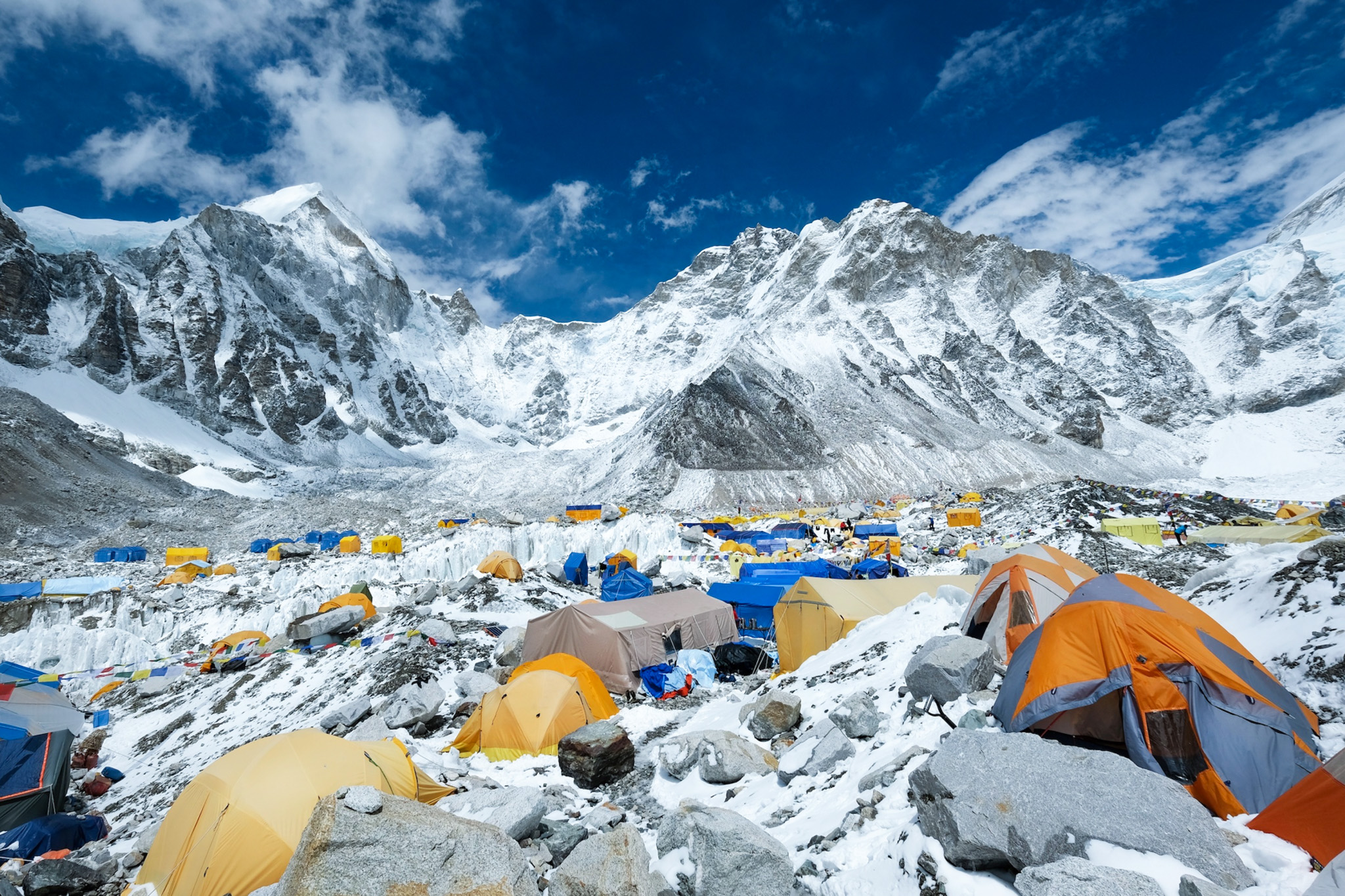
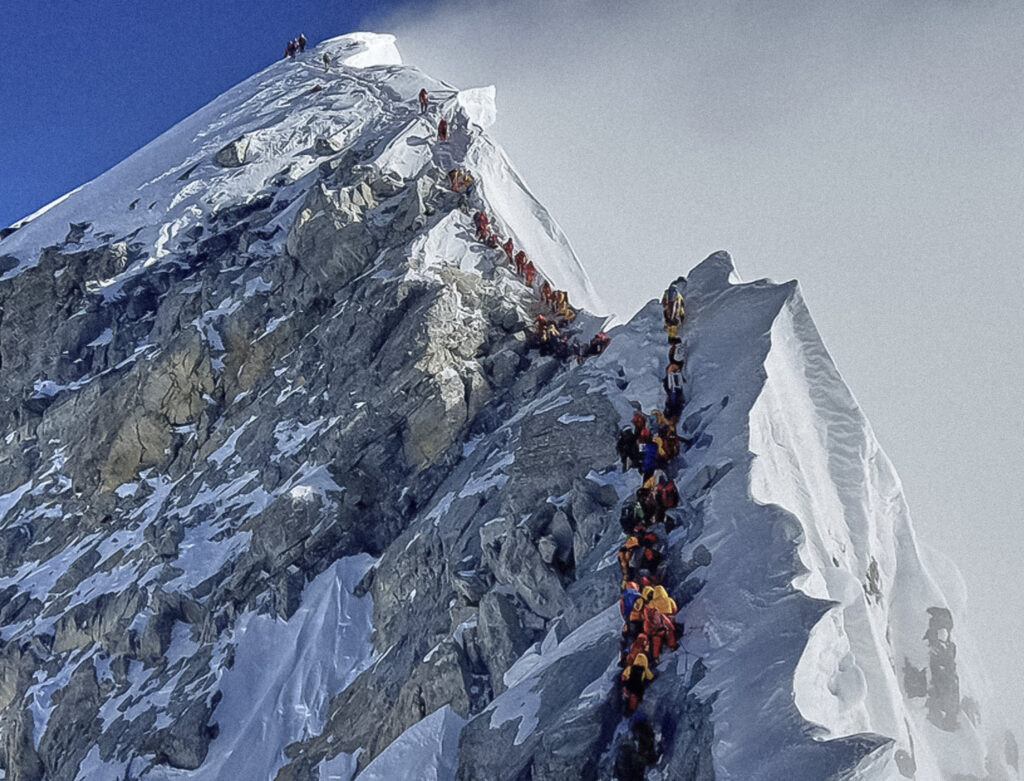
The 2026 spring climbing season on Mount Everest at 8849 meters or 29032 feet is now underway. Hundreds of climbers and support teams are gathering in Kathmandu before heading to Base Camp via Lukla. The north side route from Tibet remains closed due to Chinese restrictions. This has shifted nearly all climbing activity to Nepal’s South Col route and could lead to a high number of summit attempts this year.
Icefall Doctors have already begun work fixing ropes and ladders through the Khumbu Icefall despite heavier than usual early season snow.
Here are the main developments and practical realities shaping this year’s expeditions.
Route Consolidation and Permit Activity
With the north side unavailable many teams have moved to the south side creating a busy season. Nepal has issued permits to more than 400 climbers across numerous expeditions so far. The first permits of the season including for a 10-member international group were granted in late March. The standard foreign climber permit fee has increased to $15,000 for the spring season along with a new nonrefundable $4,000 environmental deposit. A premium Summit plus option was also introduced adding a $12,000 surcharge for priority access and reduced waiting times at bottlenecks.

New Regulations Focused on Safety and Experience
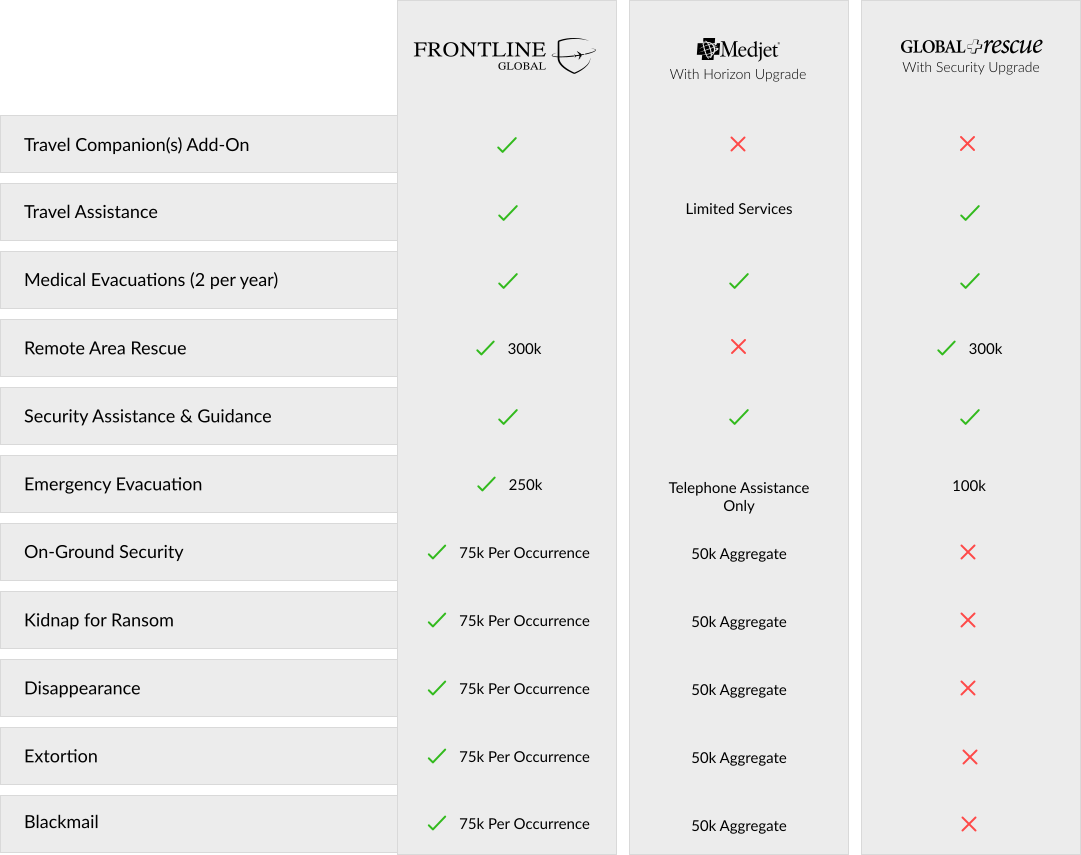
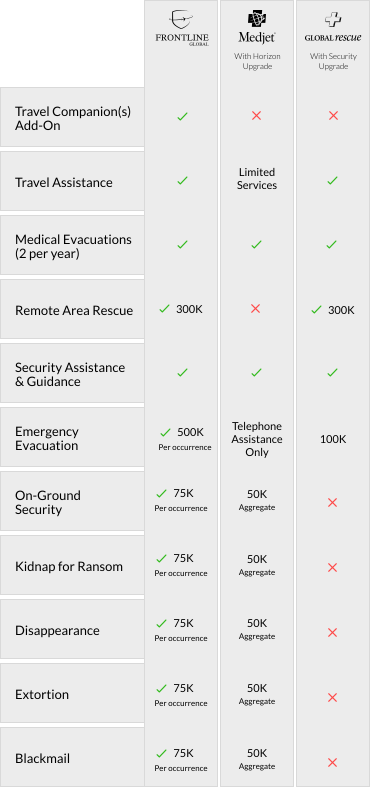
Nepal continues to tighten rules to address overcrowding fatalities and environmental impact. Changes taking effect or under final review this season include a push for climbers to demonstrate prior high altitude experience such as a successful ascent of a 7000 meter peak in Nepal. Solo climbs are banned and certified Nepali guides are now mandatory with a ratio of one guide per two climbers above 8000 meters. Pre expedition medical checkups are required along with mandatory insurance that covers rescue and recovery. Climbers must also carry GPS trackers and RECCO reflectors for safety. Strict turnaround times apply for example a 2 pm cutoff at the summit with penalties including fines permit cancellation or bans for violations.
These measures aim to improve safety for everyone on the mountain while protecting Sherpa teams and the fragile high altitude environment.
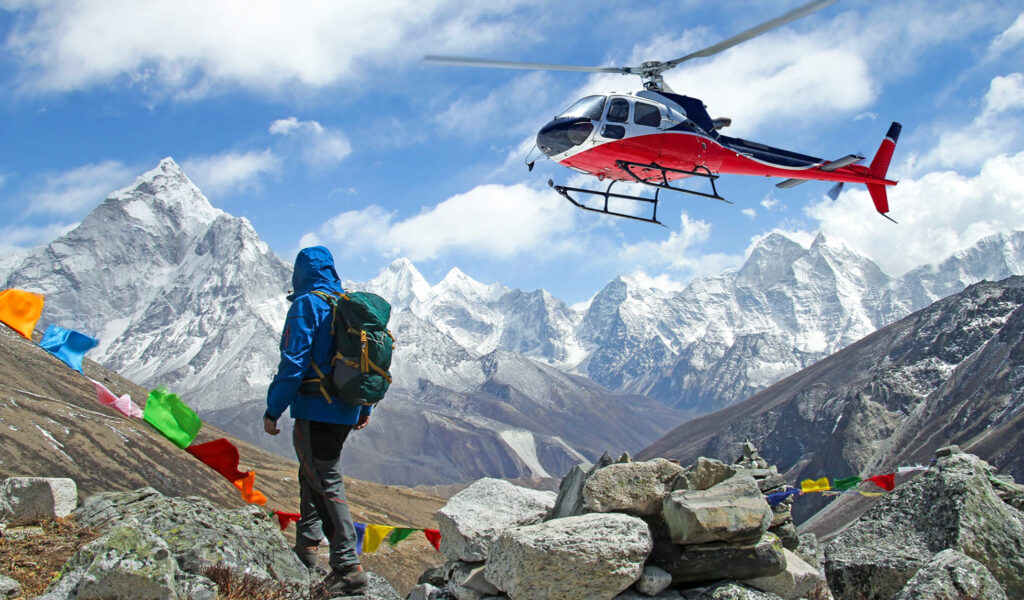
Helicopter Rescue Reforms After Major Fraud Scandal
A large scale investigation into insurance fraud has affected confidence in rescue operations. The scheme uncovered in recent years and detailed in a lengthy official report involved millions of dollars in false or inflated claims primarily on lower elevation trekking routes rather than high altitude Everest climbs. Accusations include guides and operators inducing illness to trigger unnecessary helicopter evacuations and overbilling insurers. Several individuals have been arrested and others named in connection with the case.
Although the main focus was on trekking the scandal has prompted stricter oversight. Helicopter rescues now face closer scrutiny and are generally limited for non-emergencies. Heli jumping to skip sections of the route is banned to ensure proper acclimatization. Climbers are advised to select reputable operators with clear insurance policies and to review coverage carefully.
Drones Expanding Their Role in Logistics and Cleanup
Following successful trials in previous seasons cargo drones are seeing wider use this year. Heavy lift models transport oxygen cylinders ropes ladders and other supplies from Base Camp up to Camp 1 in as little as 12 to 15 minutes per flight. On return trips they carry garbage and human waste back down reducing the need for porters to make risky crossings through the Icefall. This technology helps lower exposure to hazards and supports better waste management though strong winds and thin air still limit operations at the highest camps.
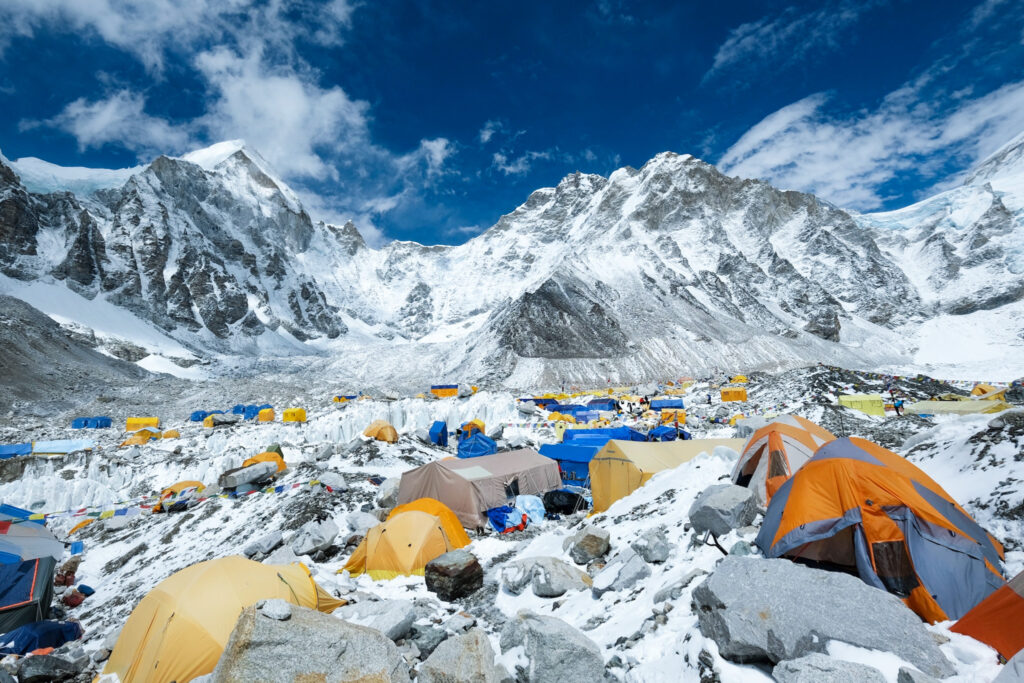
Stronger Waste and Environmental Rules
New requirements focus on accountability and cleanup. Each climber must deposit 8 kilograms of garbage at Base Camp and carry down an additional 2 kilograms of personal waste collected from Camp 2 and above using only officially provided bags from the Sagarmatha Pollution Control Committee. Personal waste bags are not allowed and all trash including food wrappers and empty oxygen bottles must be removed. Violations can result in fines up to 1500 dollars per climber and possible future bans.
Notable Climbers Record Chasers and Creative Expeditions
The season includes a range of experienced climbers speed seekers and those pursuing unique challenges. Norwegian mountaineer Kristin Harila who holds the record for the fastest ascent of all 14 peaks above 8000 meters plans a no oxygen triple link up of Nuptse Lhotse and Everest. Ultrarunners including Karl Egloff and Tyler Andrews are attempting fastest known times on oxygen free ascents. Young American climber Ryan Mitchell returns for another no oxygen effort with his guide. Veteran Sherpa guides such as Kami Rita Sherpa and Lhakpa Sherpa are also active with Kami Rita aiming to extend his record number of summits and Lhakpa targeting her 11th ascent the most by any woman.
Long distance human powered projects continue as well. Some adventurers are cycling or trekking from sea level in India before attempting the summit while a Nepali team plans to summit Everest then kayak thousands of kilometers down rivers to the Bay of Bengal to highlight conservation issues.
Rising Costs and Broader Context
Full expedition packages now commonly range from 52000 to 58000 dollars for standard services and can exceed 120000 dollars for premium support. These increases stem from higher permit fees guide requirements and logistics. Nepal’s current government has raised expectations for ongoing reforms that balance tourism income safety and long term sustainability on the mountain.
The 2026 season is a period of transition with more rules technology assistance and oversight than before. Everest remains a demanding and dangerous environment where conditions can change rapidly. Thorough preparation careful operator selection and respect for the mountain’s risks will be essential for all involved. Real time updates from Base Camp and trusted teams on the ground will help everyone stay informed as the season progresses.